

MATERIAL GUIDE
Cellulose Acetate
Understand what cellulose acetate is, why its colors and polished finish suit custom products, and what to check before choosing a material for your design.
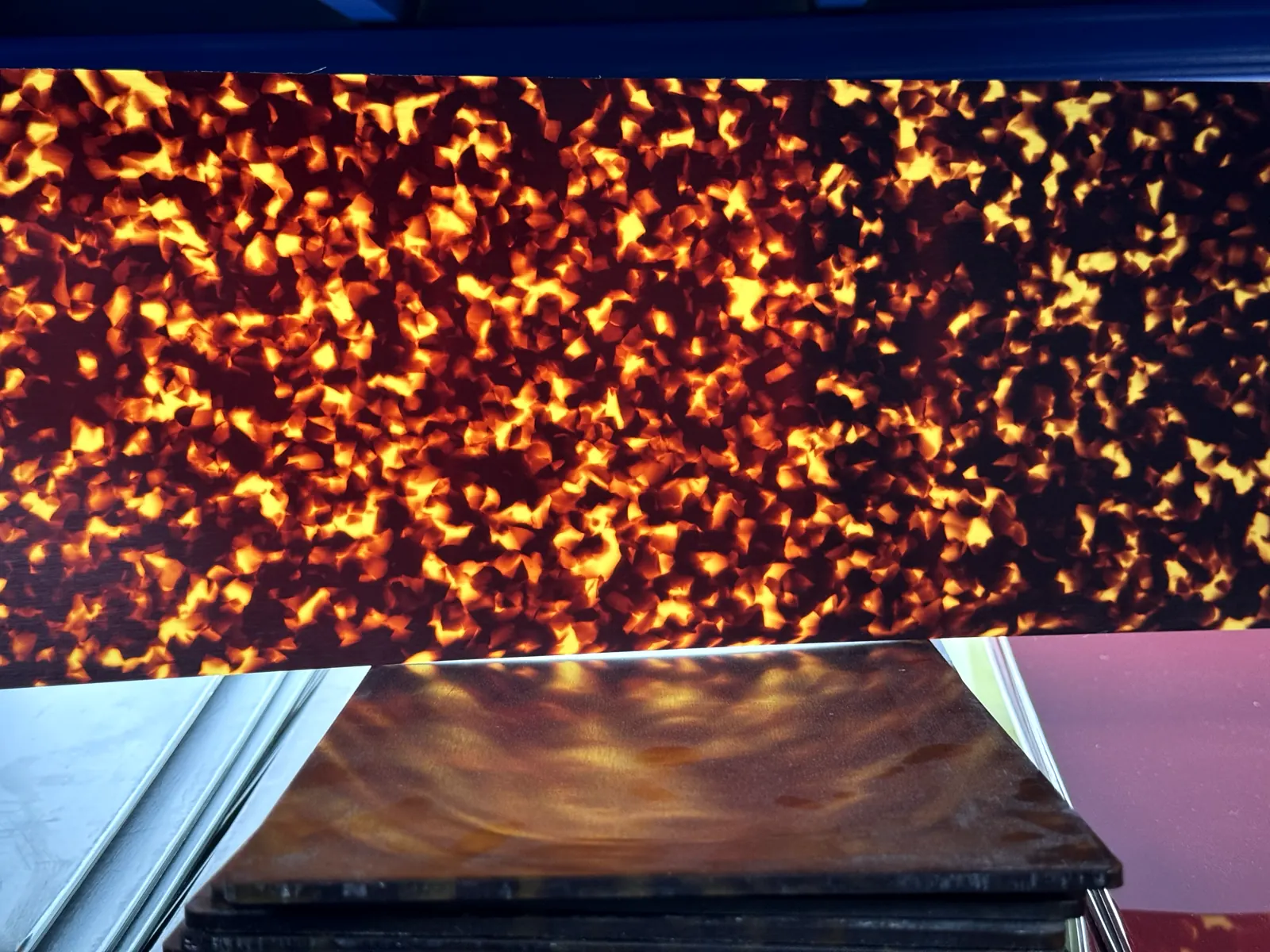
What Is Cellulose Acetate?
Cellulose acetate is a cellulose-based thermoplastic. Its starting cellulose usually comes from cotton linters or wood pulp. The cellulose is chemically modified, then mixed with plasticizers to adjust workability and flexibility. Pigments and other additives help create the chosen color and material properties.
It can combine rich patterns, transparent or opaque color, and a smooth polished finish. These details give designers a way to carry a brand’s look through both the surface and the shaped edges of a product.
We select acetate sheets and machine them into finished products and assembly parts. For general material background, see Mazzucchelli’s material guide and Eastman’s explanation of cellulosic plastics.
- Compare solid colors, translucent effects and patterned options.
- Review texture, translucency and the appearance of cut edges.
- Confirm the material on your finished sample before production.
Why Choose Acetate for Your Design?
Color, light and polishing give acetate its character. These six details help you turn a material choice into a product that looks and feels right.
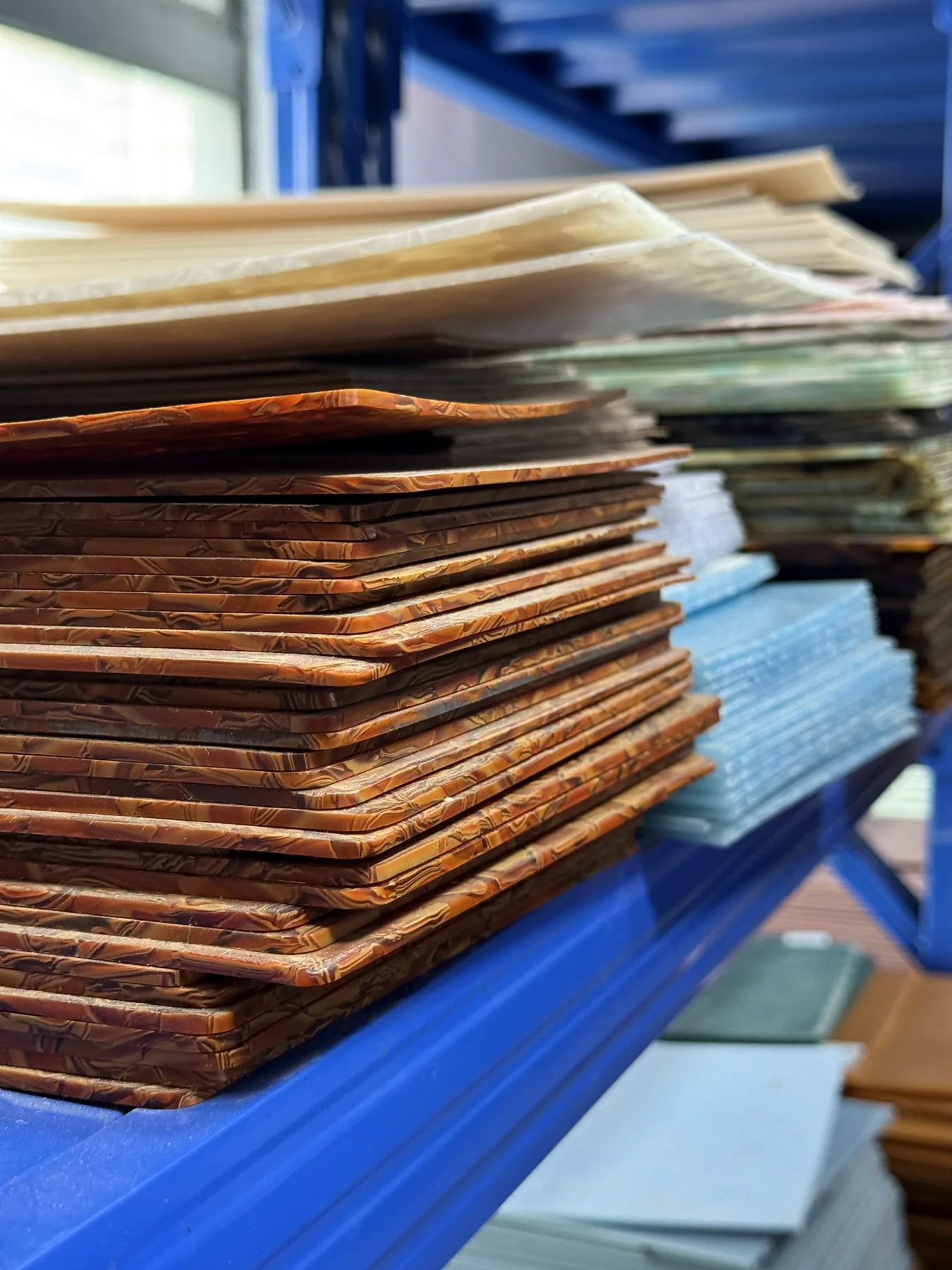
Thickness & Shape
Sheet thickness affects the profile, weight and room for machining. A slim earring and a mirror handle need different proportions. Send your dimensions so we can review the thickness and shape together, including any holes or hardware joints.
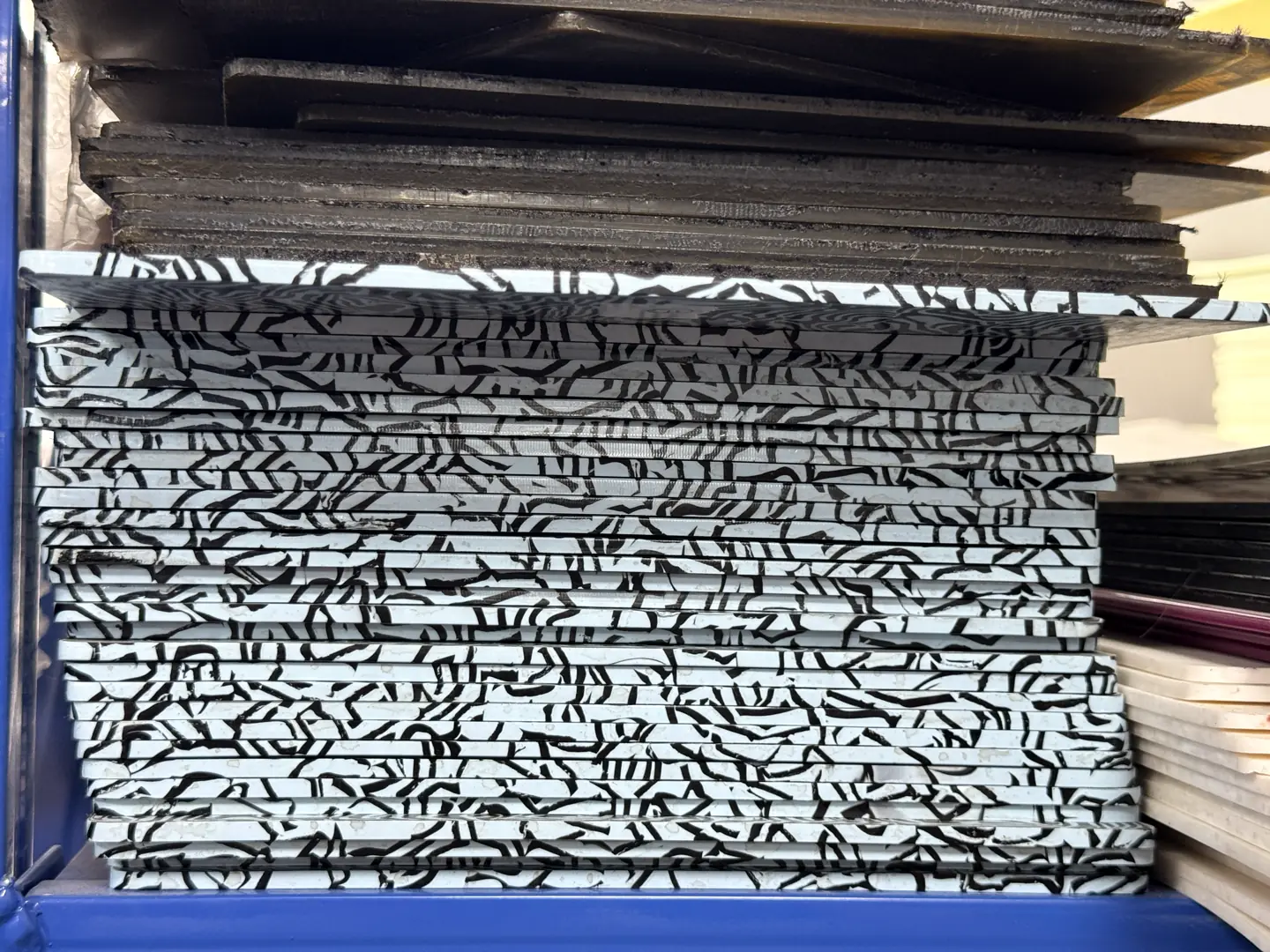
1,000+ Colors & Patterns
Choose from 1,000+ combined colors and patterns, including solid, tortoiseshell, marble and pearl-look options. Match the pattern scale to your product: a broad swirl can look very different on a narrow ring or a wider frame.
Color Depth & Translucency
Transparent and translucent options let light reveal color and pattern; opaque options give a more solid look. Compare your choice in daylight and indoor light. Thickness and any parts behind the acetate can change the effect.
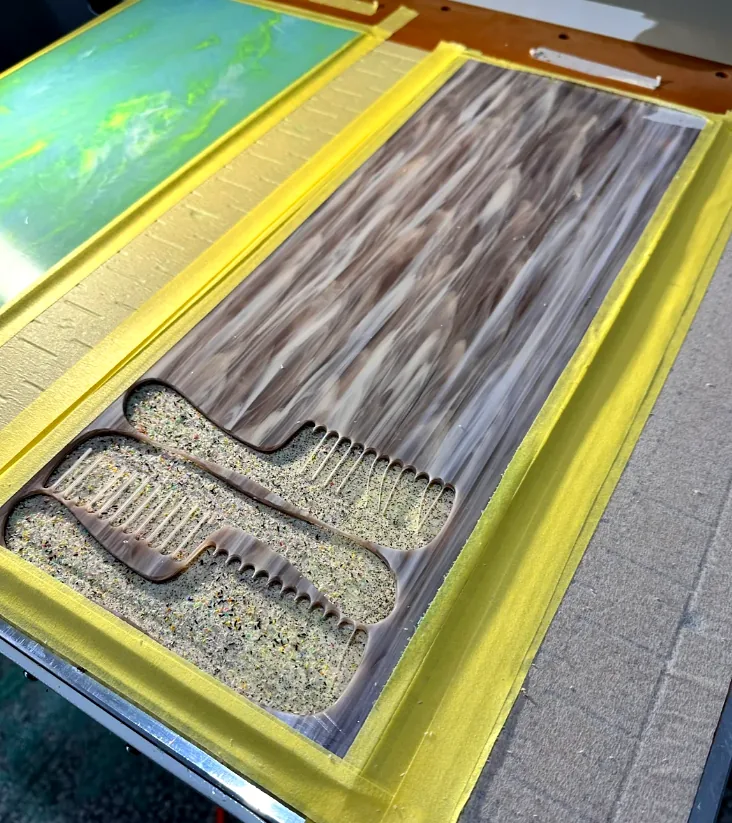
CNC Shapes & Details
CNC cutting and machining turn the sheet into your outline, openings and shaped details. Pattern direction affects the result, especially with stripes. Mark it on your drawing and check how the pattern sits on the cut sample.

Smooth, Polished Edges
Polishing brings out the surface and softens the feel of machined edges. It helps show the material’s color depth around curves and cutouts. Check gloss, edge shape and comfort on a finished sample; acetate is not scratch-proof.

Custom Color Matching
Share a color code or physical reference for custom color matching. We can review available materials and a matching option for your project. Screen colors are a starting point; approve the actual color and finish on a physical sample.
From Acetate Sheet to Your Finished Product
We use acetate for jewelry, eyewear frames, mirrors, footwear accessories, mahjong pieces and hair accessories. The right choice depends on your product’s size, shape, finish and assembly. See our product showcase for design references across these applications.
- Send a sketch, drawing or reference product, with dimensions, intended use and quantity.
- Choose a color or pattern. We review thickness, CNC-cut shape, polished edges, logo details and any assembly needs with you.
- Check the finished sample for color, pattern placement, fit, feel and hardware function. Review our quality checks before approving production.
Our custom acetate processing service covers finished products and processed assembly parts; raw sheets and cut blanks are not sold separately. Browse colors and patterns, then send us your choice for review with your design.
Material Questions
Is cellulose acetate plastic?
Yes. It is a cellulose-based thermoplastic, not untreated plant fiber. Plant-based feedstock does not automatically make a finished item plastic-free, recycled, compostable or biodegradable in every environment. Such claims need evidence for the specific material and test conditions. If your market needs a named certification or test, tell us before sampling.
Will every piece have the same color and pattern?
Pattern placement can vary across a sheet and between cut pieces. Many patterns extend through the sheet; layered or printed effects can look different at a cut edge. Agree on acceptable variation and direction, and check the sample rather than expecting every piece to repeat a photo exactly.
How do I care for finished acetate products?
Wipe with a soft damp cloth and dry gently. Avoid abrasive cleaners, acetone or nail-polish remover, prolonged soaking and excessive heat, such as a hot car or hot water. Keep solvent-based perfume and cleaners off the surface. Confirm care instructions for the finished item, including its metal parts, coating or adhesive.
Is acetate suitable for my product?
It suits decorative products where color depth, a polished finish and a shaped profile matter. Thin sections, sharp corners, stressed hinges and hardware joints need review on your drawing. Heat, humidity and chemicals can affect the material, so test the finished sample for its intended use rather than assuming unbreakable performance.